
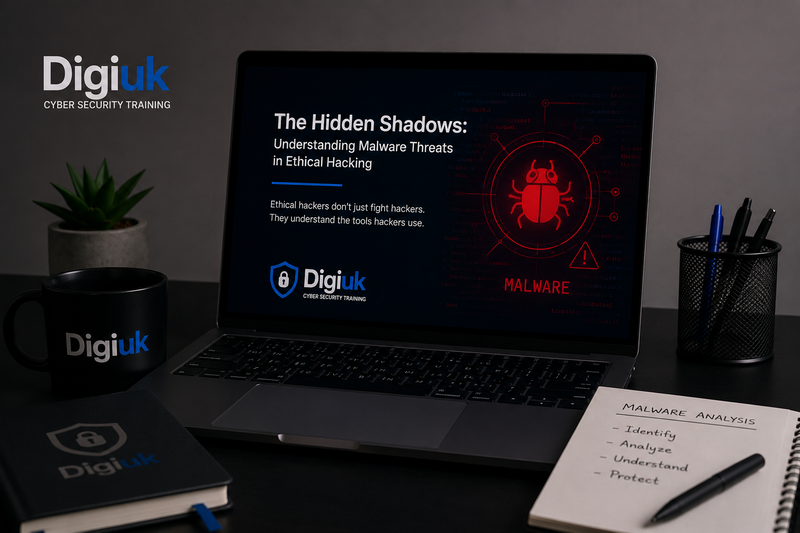
If system hacking is like testing whether a digital vault door can be forced open, Malware Analysis is like inspecting the strange, slippery creatures that mischievous intruders try to slip inside the castle! Welcome to Module 06 of our exciting Certified Ethical Hacker (CEH) journey into cybersecurity.
Today, we are going to learn how ethical hackers safely study malicious software to understand how it operates, how it spreads, and why digital hygiene is so important for keeping our networks safe.
What is Malware?
Imagine finding a mysterious package left outside your front door. It looks exciting, but inside might be a jump-scare or a messy prank! Malware (short for “malicious software”) is any program or file written on purpose to harm, disrupt, or secretly steal information from a computer system.
In the digital world, malware comes in many different shapes and sizes. Ethical hackers study these files in secure, isolated virtual test chambers (called sandboxes) so they can learn how to protect real systems against them.
-
Trojans : Software that looks fun or useful on the outside (like a cool game), but hides a sneaky surprise on the inside.
-
Ransomware : Nasty code that locks up your important files and demands a “ransom” to give them back. (Pro tip: ethical security backups stop ransomware in its tracks!)
-
Spyware : Silent programs that watch what you type or look at without your permission.
The Golden Rule: Never run strange files or click unknown links from people you don’t know! If you want to master how to detect, analyze, and neutralize these digital threats legally, you can join our hands-on Ethical Hacking Course in Manchester to practice in a secure lab environment.
The Phases of Malware Analysis
Just like a scientist wearing protective gear while studying a new plant specimen, an ethical hacker follows a safe, structured process when examining malware:
1. Static Analysis
Looking at the file’s outer shell, reading its properties, and checking its digital signature without actually running the code.
2. Dynamic Analysis
Safely running the suspicious file inside an isolated virtual sandbox machine to watch what files it tries to touch or what websites it tries to contact.
3. Removal and Defense
Writing custom defense rules and antivirus updates so security systems can spot and destroy the malware instantly if it ever shows up again.
To see how global cybersecurity standards define these safe analysis procedures, you can visit the EC-Council Official Website to explore professional certifications used worldwide.
Why Understanding Malware Protects the Future
Understanding malware is essential for building resilient digital environments. By studying how malicious programs try to hide and replicate, security professionals can design advanced detection tools that keep everyday users safe. Whether you are building an IT career or securing your own devices, mastering these concepts ensures you stay completely compliant with laws like the Computer Misuse Act 1990 while acting as a true cyber defender.